

When most people think about exercise, they picture benefits like improved heart health, stronger muscles, and better energy. But there’s another important area it may positively impact that often gets overlooked: your oral health.
Research suggests that regular physical activity may help reduce the risk of gum disease, one of the most common oral health conditions affecting adults today. While exercise alone cannot replace good brushing and flossing habits, it may play a supportive role in keeping your gums healthier over time.
Understanding how gum disease develops—and how lifestyle choices like exercise can influence it—can help you take a more complete approach to your overall health.
What Is Gum Disease?
Gum disease, also known as periodontal disease, is an infection of the tissues that support and surround your teeth. It typically begins with gingivitis, a mild form of gum inflammation caused by plaque buildup along the gumline.
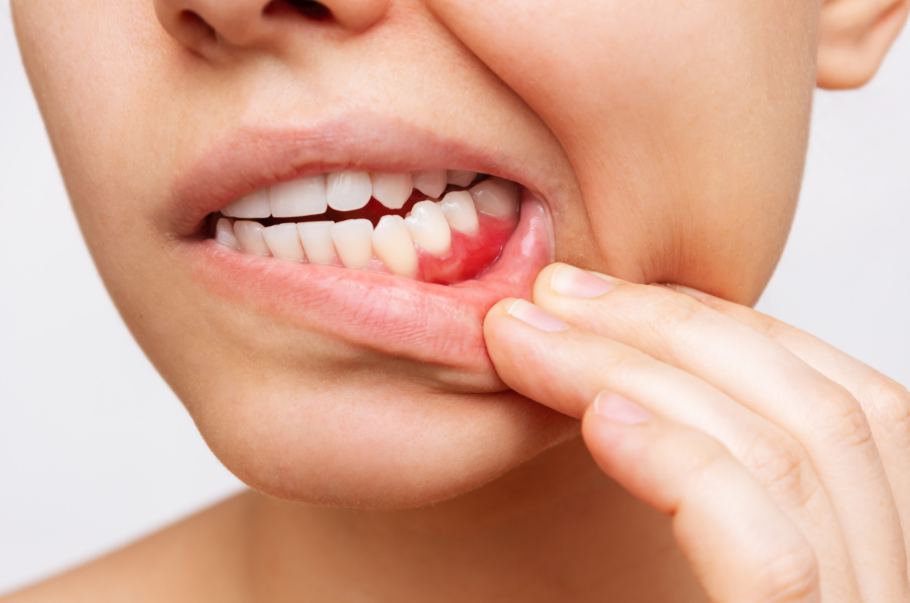
In its early stages, gum disease may cause symptoms such as red, swollen, or bleeding gums, especially during brushing or flossing. If left untreated, it can progress to periodontitis, a more severe form that can damage the bone supporting your teeth.
Advanced gum disease can lead to gum recession, loose teeth, and even tooth loss. It has also been linked to other health conditions, including heart disease and diabetes, making early prevention especially important.
How Exercise Supports Gum Health
While exercise does not directly clean your teeth or remove plaque, it can positively influence factors that contribute to healthier gums.
One of the main ways exercise helps is by reducing inflammation in the body. Because chronic inflammation plays a major role in the progression of gum disease, maintaining an active lifestyle may help lower overall inflammatory levels and support better oral health.
Regular physical activity can also strengthen the immune system, making it easier for the body to fight off the bacteria that contribute to gum infections. This added defense may help control the early stages of gum disease before they become more serious.
Another benefit of exercise is improved circulation throughout the body. With better blood flow delivering oxygen and nutrients to gum tissues, the healing process may be more efficient, supporting healthier gums over time.
Why Exercise Alone Isn’t Enough
While exercise can support gum health, it is not a replacement for proper oral hygiene. Brushing twice a day, flossing daily, and attending regular dental checkups remain the most effective ways to prevent gum disease.
Even individuals who are very physically active can still develop gum disease if plaque is not removed regularly. That’s why consistency in oral care is essential, regardless of fitness level.
Protecting Your Gums Long-Term
The best approach to preventing gum disease is a combination of good oral hygiene, regular dental visits, and healthy lifestyle habits, including physical activity.
When gum disease is caught early, it is often reversible. However, advanced stages require more involved treatment, which is why prevention is always the best option.
By staying active and caring for your oral health, you’re giving your gums the best chance to stay strong and healthy for years to come.
About the Practice
At Cary Dental Rejuvenation, patients receive comprehensive periodontal and restorative care focused on improving both oral health and overall wellness. Dr. Bikram Singh provides advanced gum disease treatment options tailored to each patient’s needs, with an emphasis on early detection, prevention, and minimally invasive care.
Call us at (919) 460-5454 or schedule your appointment online.